
Cultural Respect & Appropriation
Practicing thoughtfully and sourcing responsibly
Why This Conversation Matters
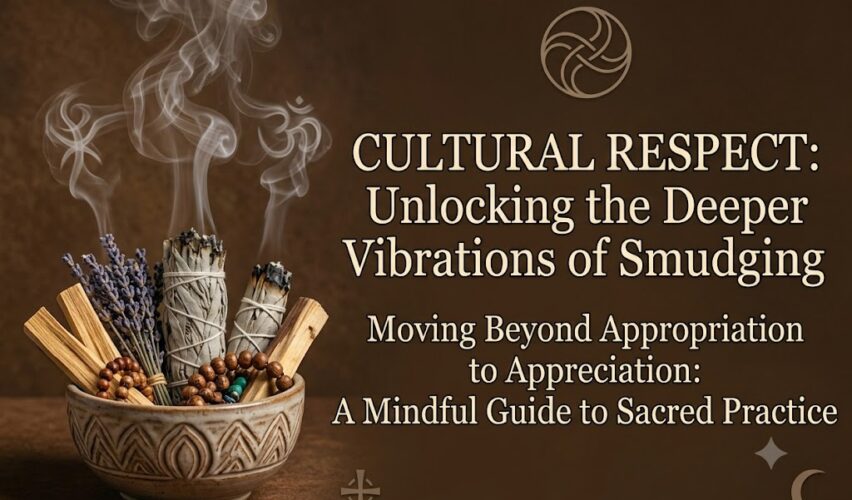
Smudging with white sage is a ceremonial practice with deep roots in specific Indigenous traditions, not a generic wellness trend. As the practice has become mainstream and commercialized, some Indigenous voices have raised concerns about both overharvesting of wild sage and the use of sacred ceremonial language and imagery by people outside those traditions.
Perspectives on the Conversation
There is a real range of views here, even within Indigenous communities, and this site doesn’t claim to settle the debate. Some perspectives worth understanding:
- Some Indigenous voices feel that selling “smudge kits” using ceremonial terminology and imagery commercializes something sacred without consent or benefit to the originating communities.
- Others feel that sharing the practice, when done with accurate context and respect, can be a positive way to introduce people to Indigenous history and encourage support for Indigenous-led conservation and businesses.
- A common middle-ground recommendation is to buy sage from Indigenous-owned businesses or sustainable growers, avoid ceremonial language like “smudging” if you’re not part of a tradition that uses it, and consider using common garden sage instead of wild-harvested white sage.
Practical Ways to Practice Respectfully
Source consciously. Buy from Indigenous-owned sellers or grow your own sage rather than purchasing wild-harvested white sage of unknown origin.
Mind your language. Consider using terms like “smoke cleansing” or “herb burning” rather than “smudging” if you’re practicing outside of an Indigenous ceremonial context.
Learn the history. Understanding where a practice comes from is itself a form of respect — see our “History & Origins” page.
Support conservation. Several Indigenous-led organizations work specifically on protecting wild white sage habitats; supporting them is one tangible way to give back.
This Isn’t About Gatekeeping Wellness
The goal of this page isn’t to discourage anyone from a practice that brings them comfort or meaning — it’s to make sure that comfort doesn’t come at the cost of the communities and ecosystems the practice originally belongs to.