
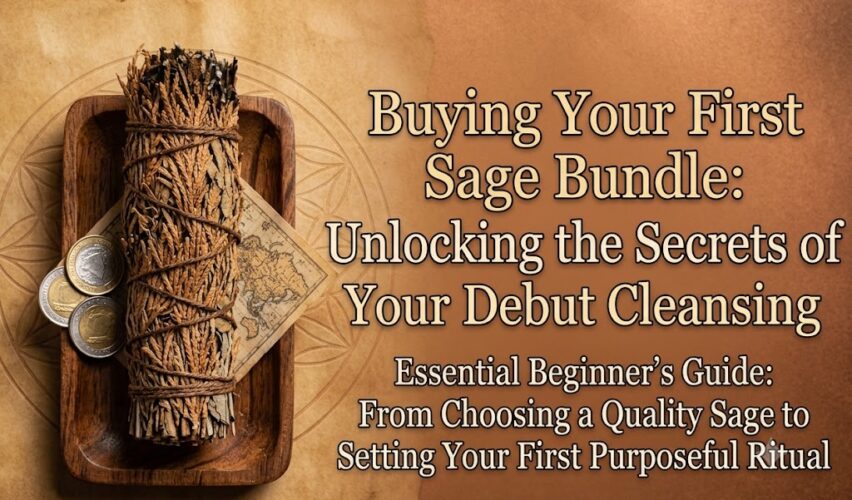
A practical, no-fluff guide to choosing, sourcing, and confidently buying your first sage bundle covering price, ethics, quality, legality, and where to shop.
Quick Answer: How to Buy Your First Sage Bundle
To buy your first sage bundle, choose between white sage, blue sage, or garden sage based on intended use; buy from a supplier that discloses sourcing and harvesting practices (ideally sustainably farmed, not wild-harvested); expect to pay $4–$15 for a 4-inch bundle; inspect for tightly wrapped, dry, evenly colored leaves before purchase; and buy only the quantity you’ll use within 6–12 months, since potency fades with age.
This guide goes beyond “what is smudging” and focuses on the part almost no one covers properly: the actual buying decision what separates a good bundle from a bad one, how to avoid supporting unsustainable harvesting, what’s legal, what’s marketing fluff, and how to buy with confidence the first time.
Why Most “Sage Buying” Advice Misses the Point
Search “buy sage bundle” and you’ll mostly find two things: product listing pages trying to sell you something, and general smudging guides that explain history and ritual but skip the actual purchase decision. Almost none of them answer the practical questions a first-time buyer actually has:
- Is the sage I’m about to buy sustainably sourced, or am I contributing to overharvesting of a culturally significant plant?
- How do I tell a fresh, potent bundle from an old, weak one before I buy it?
- Is it even legal to buy and burn sage where I live?
- What’s a fair price, and why does it vary so much between $4 and $20?
- Should I buy loose sage, a wrapped smudge stick, or a full cleansing kit?
This guide fills that gap. If you already know what smudging is and want the cultural and historical background, that’s covered in our companion sage-burning guide this article is dedicated entirely to the buying decision itself.
Step 1: Decide Which Type of Sage Bundle You Actually Need
Not all “sage” sold online is the same plant, and the type you buy should match your purpose, budget, and ethical comfort level.
Sage Type | Best For | Buying Notes |
White Sage (Salvia apiana) | Traditional smudging, strong cleansing scent | Most at risk of overharvesting in the wild — prioritize farmed/cultivated sources |
Blue Sage (Salvia clevelandii) | Lighter floral scent, everyday use | More abundant and easier to source sustainably than white sage |
Desert Sage / Sagebrush (Artemisia tridentata) | Traditional ceremonial use, earthy scent | Often confused with culinary sage — verify botanical name before buying |
Garden Sage (Salvia officinalis) | Budget-friendly, easy to grow yourself | Culinary variety; milder smoke, widely available and inexpensive |
If you’re unsure which to choose, blue sage or garden sage are the most beginner-friendly and least ethically fraught starting points, since white sage carries the most sourcing concerns.
Step 2: Check How It Was Sourced Before You Buy (This Is the Step Most Guides Skip)
White sage has been over-harvested from wild lands in California and parts of Mexico for years, partly driven by demand from the wellness and home-decor markets. Buying without checking sourcing can unintentionally support that depletion and disregard the plant’s significance to Indigenous communities who have used it ceremonially for generations.
What to look for on the product page or label:
- The word “farmed,” “cultivated,” or “responsibly grown” rather than “wild-harvested”
- A named farm, region, or grower vague sourcing claims are a warning sign
- Whether the seller acknowledges the plant’s Indigenous cultural significance, rather than treating it purely as a decor or aesthetic trend
- Small-batch or Indigenous-owned sellers, who are often more transparent about harvesting practices and may reinvest in land stewardship
If a listing gives zero detail about where or how the sage was grown, treat that as a red flag rather than an oversight transparent sellers usually say so because it’s part of their value proposition.
Step 3: Know What a Good-Quality Bundle Looks Like Before You Buy
Whether you’re buying in person or online, quality is judged the same way. Use this checklist:
- Color: Leaves should be a soft silvery-green to grey-green, not brown or yellowed (a sign of age or poor drying).
- Tightness of wrap: The bundle should be tied firmly with natural cotton string loose leaves fall apart and burn unevenly.
- Dryness: Fully dried bundles snap slightly when bent; damp or rubbery leaves won’t light evenly and may mold in storage.
- Scent: A fresh bundle has a noticeable herbal aroma even unlit. No scent at all usually means it’s old or low-grade.
- Size consistency: Reputable sellers list exact length (commonly 3–7 inches) and weight vague “small/medium/large” listings with no measurements are less reliable.
Step 4: Understand Pricing So You Don’t Overpay (or Underpay for Quality)
Bundle Type | Typical Price Range | What Affects the Price |
Single small bundle (3–4 in.) | $3 – $8 | Sage type, brand packaging, single vs. bulk |
Standard bundle (6–7 in.) | $6 – $15 | Length, sourcing transparency, added florals/herbs |
Multi-packs (3–12 bundles) | $15 – $45 | Per-unit cost drops with bundle count |
Cleansing kits (sage + holder + crystal) | $20 – $60 | Bundled accessories, presentation/gifting packaging |
As a rule of thumb: prices well below this range often signal wild-harvested or low-grade product, while prices well above it are usually paying for packaging, branding, or added crystals rather than sage quality itself.
Step 5: Choose Where to Buy Online vs. Local vs. Specialty Shops
Where to Buy | Pros | Cons |
Local metaphysical / herb shop | Inspect quality in person, support local business, ask sourcing questions directly | Limited selection, may cost more, not available everywhere |
Online marketplaces (Etsy, Amazon) | Wide selection, reviews to vet sellers, convenient | Harder to verify freshness; sourcing claims aren’t always accurate |
Direct from a farm/grower website | Most transparent sourcing, often the freshest stock | Fewer product options, may have higher shipping costs |
Farmers markets / Indigenous-owned vendors | Often most ethical and traceable sourcing, supports community economies | Inconsistent availability, seasonal |
For a first purchase, a combination approach works well: read seller reviews and sourcing statements online first, then favor sellers (online or local) who answer direct questions about where their sage comes from.
Is It Legal to Buy and Burn Sage? What Buyers Should Know
In most countries, including the US, UK, Canada, and Australia, buying, selling, and burning sage for personal use is legal it is not a controlled substance. A few practical legal and safety considerations still apply:
- Rented properties: Some leases prohibit burning anything indoors, including incense or smudge sticks check your tenancy agreement.
- Smoke alarms: Burning sage indoors can trigger smoke detectors; this is a safety feature working correctly, not a legal issue, but plan around it.
- Public land: Some parks and conservation areas restrict open burning of any kind, including smudge sticks, due to wildfire risk.
- Wild-harvesting restrictions: It’s the wild collection of white sage from protected or reservation land not the buying of it that raises legal and ethical concerns in some regions.
Step-by-Step: How to Choose and Buy Your First Sage Bundle
- Decide your purpose everyday refresh, a one-off space cleanse, or gifting since this affects size and kit needs.
- Pick a sage type that matches your budget and ethical comfort level (garden or blue sage for low-stakes starts; farmed white sage if you want the traditional option).
- Shortlist 2–3 sellers and compare their sourcing transparency, not just price.
- Check the quality checklist (color, tightness, dryness, scent, size) from product photos or in person.
- Buy a single small bundle first rather than a bulk pack, so you can judge quality before committing to a larger order.
- Pair it with a fireproof dish, shell, or holder and pick up matches or a lighter these are rarely included unless you buy a kit.
- Store any unused sage in a dry, airtight container away from direct sunlight to preserve potency.
What Comes With a Sage Bundle and What You’ll Need to Buy Separately
Unless you specifically buy a “cleansing kit,” a standard sage bundle purchase typically includes only the tied bundle itself. Plan to buy these separately if you don’t already own them:
- A heatproof holder, shell, or dish to catch ash and rest the smoldering bundle
- Matches or a long lighter (regular lighters can be awkward for lighting a thick bundle evenly)
- A well-ventilated space or open window, since the smoke can be dense
- A safe storage container if you’re buying more than one bundle at a time
Single Bundle vs. Multi-Pack vs. Cleansing Kit: Which Should You Buy First?
Option | Best For First-Time Buyers If… | Watch Out For |
Single bundle | You want to try it before committing further | Per-unit price is higher than multi-packs |
Multi-pack (3+) | You already know you’ll use it regularly | Buying too much before confirming you like the scent/intensity |
Cleansing kit (sage + holder + crystal) | You want everything in one purchase, or it’s a gift | Kits often markup the “extras” — check if you’re overpaying for the holder/crystal |
Frequently Asked Questions About Buying a Sage Bundle
How much does a sage bundle cost?
A single sage bundle typically costs between $3 and $15 depending on size, sage type, and sourcing. Multi-packs and cleansing kits range from $15 to $60.
What is the best sage bundle for beginners to buy?
A small, farmed white sage or blue sage bundle (around 4 inches) is the most beginner-friendly first purchase affordable, easy to use, and widely available from reputable sellers.
Is it OK to buy white sage, or is it disrespectful?
Buying white sage is not inherently disrespectful, but where and how it was harvested matters. Choosing farmed, sustainably sourced white sage rather than wild-harvested and acknowledging its Indigenous cultural origins is the more respectful approach.
How do I know if a sage bundle is fresh before buying it?
Fresh bundles have a silvery-green color, a noticeable herbal scent even unlit, and a tightly wrapped, slightly stiff (not rubbery or crumbly) texture.
Can I buy sage bundles online safely?
Yes. Buying online is safe and common; focus on sellers with detailed sourcing information, clear measurements, and verified reviews rather than the lowest price.
Do I need anything else when I buy a sage bundle?
Most sellers don’t include a holder or lighter unless you buy a kit, so plan to separately buy a heatproof dish or shell and matches or a long lighter.
How long does a sage bundle last once purchased?
An unused bundle can last 1–2 years if stored in a dry, airtight container away from sunlight. Once lit, a small bundle typically burns for 5–15 minutes per use across multiple sessions.
Is buying sage bundles legal everywhere?
Yes, buying and burning sage for personal use is legal in most countries. Some rental agreements, smoke-alarm-sensitive spaces, or public lands may restrict burning indoors or outdoors regardless of legality.
Final Pre-Purchase Checklist
- Sage type matches my intended use and ethical comfort level
- Seller discloses farming/sourcing details, not just “wild-harvested”
- Price falls within a fair range for the size and type
- Bundle photos show tight wrapping, healthy color, and listed dimensions
- I have a holder and lighter ready, or I’m buying a kit that includes them
- I’m starting with a single bundle, not a bulk order, for my first purchase
Bottom Line
Buying your first sage bundle isn’t complicated, but it does involve more than picking the cheapest listing. Matching the sage type to your purpose, verifying ethical and transparent sourcing, checking real quality markers, and understanding fair pricing will help you buy with confidence and avoid contributing to the overharvesting issues that have become a real concern around white sage in particular. Once you’ve made a confident first purchase, you’ll be ready to explore burning technique, ritual, and seasonal use in more depth.