Sage Burning and Asthma: Precautions to Take
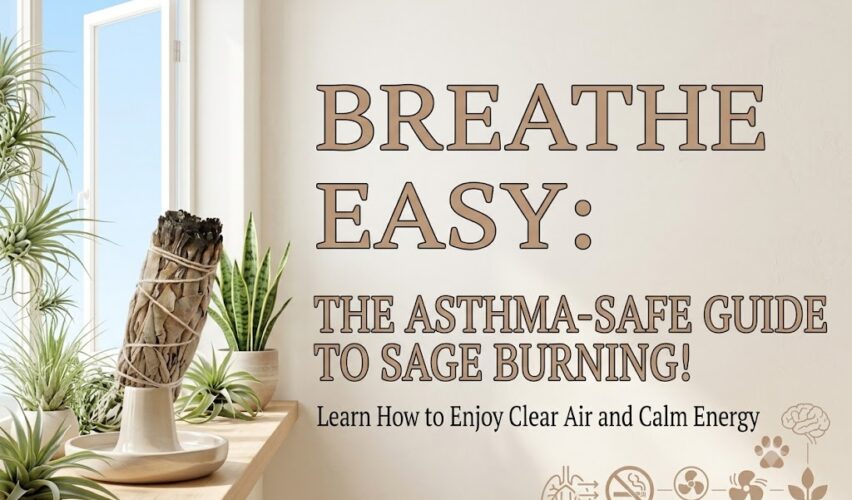
Can people with asthma burn sage safely? People with asthma can smudge with caution, but sage smoke is not asthma-safe by default. Sage smoke contains fine particulate matter (PM2.5) that can irritate the airways and trigger bronchospasm regardless of asthma severity. Mild, well-controlled asthma may tolerate brief, well-ventilated...

How to Burn Sage Without Setting Off Smoke Alarms
To burn sage without setting off smoke alarms, keep the smudge stick lit rather than flaming (embers only, no visible flame), work at least 10 feet away from any detector, keep smoke moving with an open window or fan, and use a photoelectric alarm instead of an ionization one wherever possible photoelectric units are less reactive to...
Sage Burning Around Pets: What You Need to Know
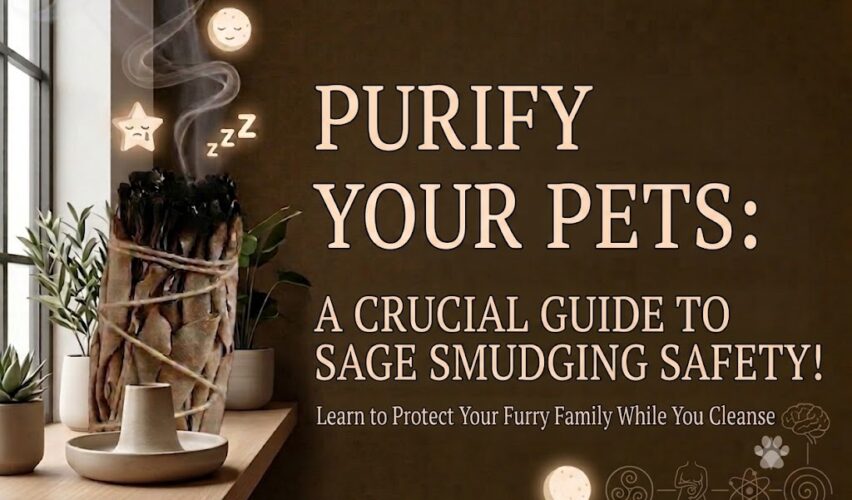
You already know the basics of smudging. What almost nobody has written about and what you’re actually here for is what happens on the other side of the room, where your dog, cat, bird, or rabbit is breathing the same air you are. This guide skips the “history of smudging” and “how to cleanse your home”...
Sage Burning and Asthma: The Complete, Evidence-Based Guide (2026)
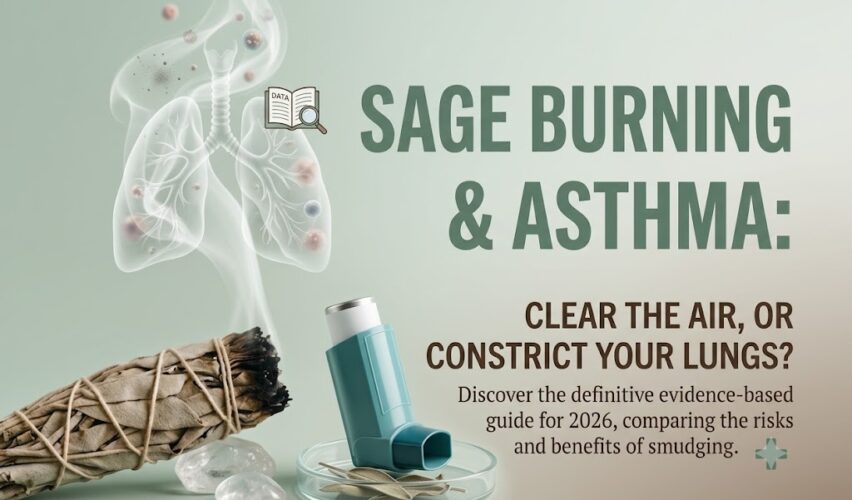
Yes, burning sage can trigger or worsen asthma symptoms. Sage smoke releases fine particulate matter (PM2.5), volatile organic compounds, and combustion byproducts that irritate the airways the same category of irritant as wildfire smoke or incense, just in smaller doses. People with asthma, COPD, or airway hypersensitivity are advised...
Fire Safety Tips for Smudging at Home: The Complete Safety Guide Most Sage Articles Skip
Fire Safety Tips for Smudging at Home The most important fire safety tips for smudging at home are: burn your smudge stick over a fireproof, weighted container (never glass, plastic, or wood); keep it at least three feet from curtains, bedding, and paper; never leave it burning unattended, even for a few seconds; extinguish it by...
Is Sage Burning Safe Indoors
Burning sage indoors is generally safe for short, occasional sessions in a well-ventilated room, away from smoke detectors, pets, and anyone with respiratory or cardiac conditions. It is not safe as a daily habit, in a closed room, in a rental without checking your lease, or around infants, pregnant occupants, birds, or people with...